
Is Closing Heating Vents Damaging my Equipment?

When winter hits and energy bills rise, many homeowners look for simple ways to save money. Who wouldn’t!? One common misconception that affects our industry is that closing heating vents in unused rooms will reduce heating costs. While this seems logical, closing vents can actually damage your HVAC system, reduce comfort, and cost more in the long run.
Understanding how your heating system works can help you protect one of the most expensive pieces of equipment in your home. Let’s dive in!
Your HVAC System Is Designed for Balanced Airflow
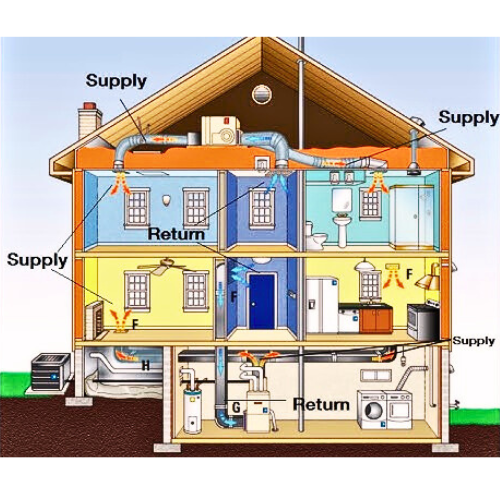
Your furnace and ductwork are engineered to move a specific volume of air throughout your home based on its square footage. That furnace is going to push out the same volume of air no matter how many vents you try to restrict. Every supply vent plays a role in keeping that airflow balanced. They’re a team!
When vents are closed:
- Air has fewer places to go
- Static Pressure builds up inside the duct system
- The system is forced to work harder than designed
This imbalance stresses key components and shortens the lifespan of your equipment. You wouldn’t play a game with less players than required, right!?
Increased Strain on the Furnace and Blower Motor
Closing heating vents restricts airflow, which causes the blower motor to push against higher pressure. Poor little guy. Over time, this extra strain can lead to:
- Premature blower motor failure
- Higher repair costs
- Reduced system efficiency
Your furnace may still run the same amount of time, but it’s working under less-than-ideal conditions and our HVAC system is not the place for extreme sports!
Risk of Overheating and Safety Shutdowns
Proper airflow is essential to remove heat from the furnace heat exchanger. What is happening when vents are closed:
- Heat builds up inside the system
- Safety sensors may trigger frequent shutdowns
- The furnace cycles on and off more often
It’s almost as if you’re giving your furnace heat stroke. Short cycling increases wear and tear and can lead to expensive repairs if left unaddressed and if one of those safeties fails, you could have bigger problems on your hands.

Higher Energy Bills — Not Lower
It may seem counterintuitive, but closing heating vents often increases energy usage. Why?
- The system struggles and runs longer to meet the thermostat setting
- Efficiency drops due to restricted airflow as the blower motor pulls more power to push air through your ducts
- Heat may leak into walls or unused spaces anyway
Instead of saving money, homeowners often see higher utility bills and uneven heating throughout the house. When you over-work this player, there is no one on the bench to send in!
Reduced Comfort and Air Quality
Closed vents can also cause:
- Cold spots and hot spots in different rooms
- Whistling noises or rattling ducts
- Increased dust due to pressure imbalances
In extreme cases, pressure issues can even pull air from crawl spaces or attics, reducing indoor air quality. Air follows the path of least resistance; it will come through whatever space, cracks, or seems that it can!
What Should You Do Instead?
If certain rooms are consistently far too warm or too cool, better solutions include:
- Having a professional airflow balance performed
- Leave doors open as much as possible to let air circulate
- Adjusting dampers inside the ductwork (not supply vents)
- Upgrading insulation or sealing duct leaks
- Installing a zoning system for better temperature control
These options improve comfort without risking damage to your HVAC system.
Protect Your Investment
Your heating system is designed to operate as a complete, balanced system; a team. Closing vents removes players from your team and disrupts that balance, leading to costly repairs, reduced efficiency, and a shorter equipment lifespan.
If your home isn’t heating evenly or you’re concerned about energy costs, the best first step is a professional evaluation — not closing vents, installing filters in all vents, neglecting regular air filter changes, or placing furniture over vents.
We love seeing our customers, but we would rather it be under better circumstances; come visit the office and pick up a new air filter! A small adjustment today can help protect your comfort and your HVAC investment for years to come.